
HABITAT RESTORATION

"Care of the Earth is not an environmental issue, it is a spiritual responsibility" Satish Kumar, Spiritual ecologist and activist
Today, as forests degrade, wetlands shrink, and climate patterns shift, restoration is not just about fixing ecosystems—it is about rebuilding our relationship with nature. Across many landscapes, the loss of forests, and biodiversity reflects a deeper imbalance between human activity and the natural world.
Rooted in Indian ideas like Ṛta (the balance that sustains life) and Vasudhaiva Kutumbakam (the world as one family), this approach sees humans and nature as deeply connected. It focuses on helping ecosystems heal naturally, by strengthening processes that support native vegetation, improve soil health, and restore water cycles. These processes strengthen biodiversity (wildlife) and make landscapes more resilient to climate change.
An important part of this work is the role of local communities. For generations, communities have cared for forests and natural resources through shared practices and cultural values. Supporting and strengthening this stewardship ensures that restoration efforts last over time.
Aligned with global efforts like the UN Decade on Ecosystem Restoration, this approach improves water security, supports livelihoods, and builds climate resilience, while reminding us that caring for the Earth is a shared and ongoing responsibility.


Dudhwa Conservation Project, Dudhwa Tiger Reserve, Uttar Pradesh
Assisted Natural Regeneration of Forests, Uttarakhand
Sacred Grove Conservation

Sacred groves across India are living embodiments of a community ethic where nature is revered, remembered, and collectively safeguarded. Sustained through generations of belief, ritual, and community governance, these community managed forests reveal an intimate relationship between ecology and culture.
Known by many names such as Kavus in Kerala, Devarai in Maharashtra, Sarna in Central India, and Dev Van in Himachal Pradesh, these groves are not isolated pockets of biodiversity. They are dynamic cultural-ecological systems where customary laws, taboos, and spiritual values regulate human interaction with the land. In doing so, they quietly sustain pollinators, protect old-growth species, recharge water sources, and hold within them deep ecological memory.
Sacred Earth Trust works to strengthen sacred groves as living conservation systems through ecological research, cultural documentation, restoration and revival initiatives as well as community engagement. By connecting custodians, researchers, and institutions, the Trust fosters collaborative stewardship and revitalises the cultural relationships that sustain these landscapes; demonstrating how conservation can emerge from reverence, reciprocity, and shared responsibility.


Education that Reconnects

Sacred Earth Trust approaches education as a means to understand and respond to today’s interconnected ecological crises, which are deeply linked to culture, economy, and prevailing worldviews. Drawing from systems thinking, sacred ecology, and indigenous knowledge traditions, our programmes foster a shift from fragmented understanding to a more relational way of seeing the world. Through interdisciplinary courses, seminars, and open learning platforms, we engage students, educators, and wider audiences in exploring the links between ecological systems, social structures, and personal responsibility. This learning goes beyond information, encouraging reflection, critical inquiry, and a deeper connection with living systems. By integrating inner awareness with informed action, we aim to cultivate the capacity for thoughtful, responsible participation in the regeneration of life-supporting systems. Currently, we have three programs running for


.jpg)

Across forested and montane landscapes in India, conservation has historically been embedded within belief systems and cultural practices that view nature as a living, sentient presence rather than a resource. These biocultural frameworks have enabled communities to protect ecologically significant landscapes through customary norms, spiritual values, and collective stewardship.
The Sacred Earth Trust works to document and support such indigenous, nature-based knowledge systems across regions. In Himachal Pradesh, its study of Nāg Vans in Kullu examines how forests are governed through ritual practices, spiritual institutions, and community custodianship. Similarly, in Manipur, the trust has supported research documenting sacred forests shaped by indigenous cosmologies and governance, where forest patches associated with ancestral and village deities continue to sustain both biodiversity and cultural identity.
Through participatory and ethnographic approaches, including engagement with elders and local custodians, the Trust records oral histories, ecological knowledge, and everyday practices that underpin these systems. However, such traditions are increasingly threatened by outmigration, changing livelihoods, and external socio-economic pressures, leading to the erosion of both cultural knowledge and ecological resilience.
By documenting and strengthening these traditions, the Trust seeks to support their continuity while highlighting their critical role in sustaining biocultural diversity for future generations.
Preservation of Indigenous nature based cultures


Protecting Nag Vans and Devta culture in Himachal Pradesh
Animal Welfare and Community Compassion Initiative
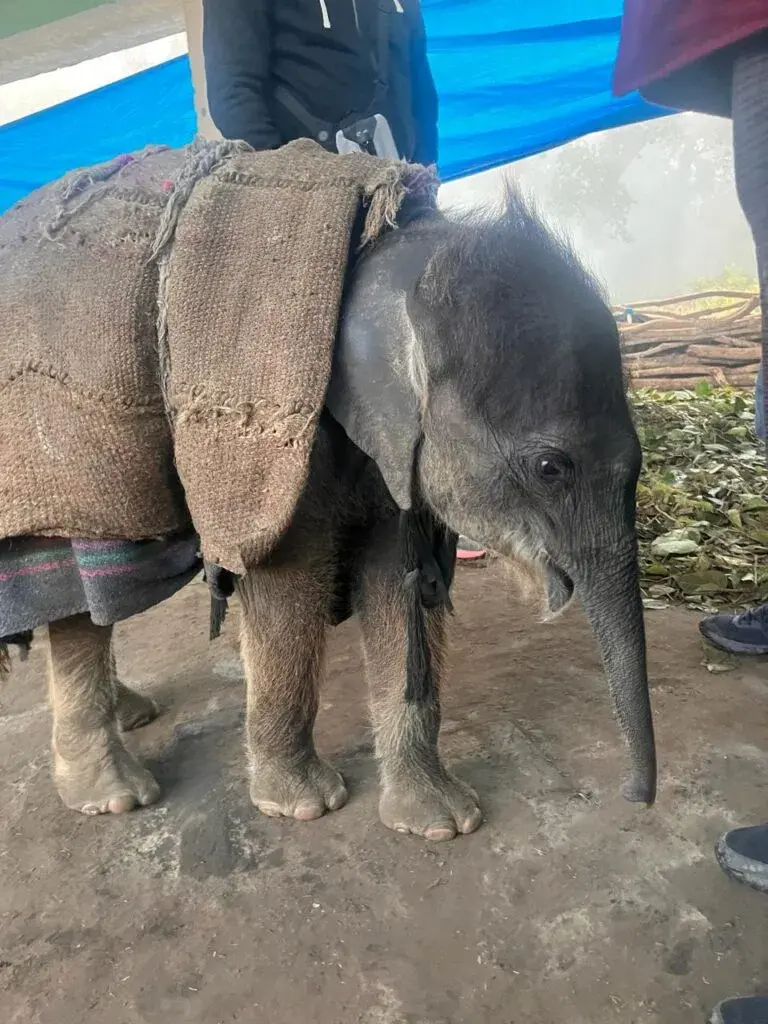
Compassion and care must not only extend to everyone but is infact our responsibility. Guided by this belief, the Trust works towards the rescue, treatment, rehabilitation, and care of animals in distress, while also supporting vulnerable communities through seasonal relief efforts, emergency response, and community-led care initiatives. Through these efforts, we seek to translate values of compassion, interdependence, and everyday ecological responsibility into meaningful action.
The Trust extended support during the Kullu flood response in Himachal Pradesh, where ration and hygiene kits were distributed to approximately 800 affected families, alongside on-ground assistance for impacted animals and local communities during the disaster period. Through these collective actions, the Trust continues to foster a culture of empathy, coexistence, and shared responsibility towards both people and the more-than-human world. Field patrolling gear was distributed to 150 frontline watchers of Dudhwa Tiger Reserve.
As part of winter relief initiatives, warm clothes and blankets were distributed to 50 individuals, while 30 dog beds were provided for homeless community dogs during harsh winter months. Rescue and rehabilitation support was extended to injured bulls and cows, along with several birds including egrets, bulbuls, and pigeons, which received medical treatment before being safely released back into their habitats. The initiative also included the rescue, treatment, and rehoming of 5 kittens and 8 puppies, care for 5 orphaned baby mice, and feeding support for a motherless calf through community participation and local caregiving efforts. In addition, medical care was provided to multiple stray dogs, while coolers were arranged for a dog shelter during peak summer months to reduce heat stress and improve welfare conditions.


